
How Sleep Apnea May Quietly Affect Your Heart Health
Updated: Sep 3

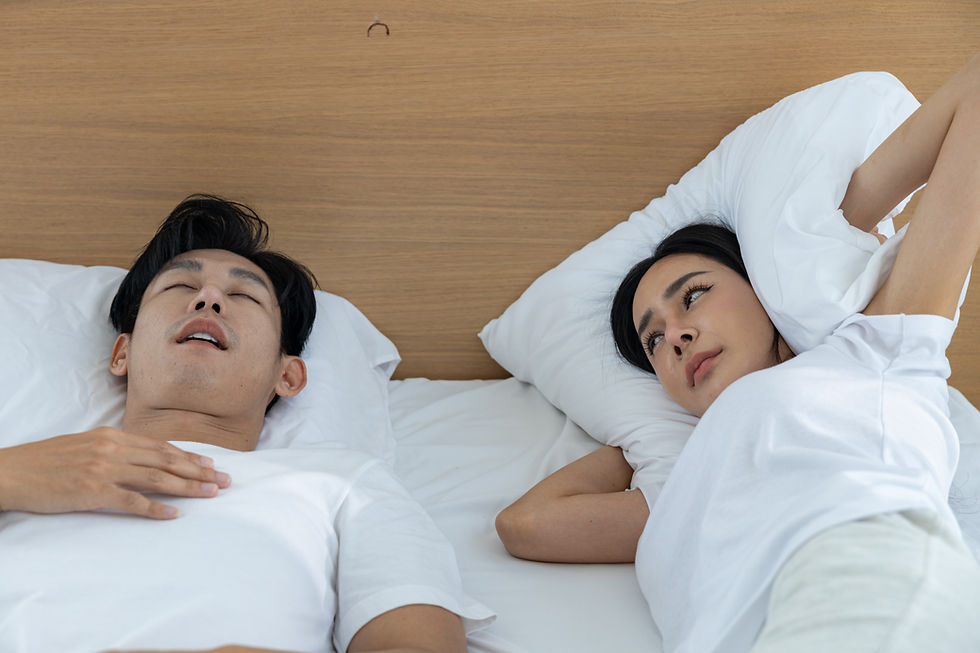
Have you ever been told you snore loudly, or woken up feeling exhausted even after what felt like a full night's sleep? Perhaps your partner has noticed you pause breathing during the night, or you find yourself dozing off during meetings and long drives. These signs can be easy to dismiss as poor sleep or a stressful week. What many people do not realise is that they may quietly point to something more, and that something can have a real impact on the heart.
This article walks you through what sleep apnea is, how it may affect your heart, what signs to watch for, and when a review with a cardiologist may be worth considering.
Sleep apnea in plain terms
Sleep apnea is a condition where breathing repeatedly pauses or becomes very shallow during sleep. Each pause may last for several seconds and can happen many times an hour, often without the person being aware of it.
The most common form is obstructive sleep apnea, where the airway briefly collapses during sleep, blocking the flow of air. Less commonly, central sleep apnea occurs when the brain does not send the right signals to the muscles that control breathing.
Because these interruptions typically happen while you are asleep, sleep apnea often goes unnoticed. The clues usually show up during the day, in the form of tiredness, poor concentration, or morning headaches.
Signs of sleep apnea that may be easy to miss
Many people live with sleep apnea for years without realising it. Some of the more common signs include:
Loud, frequent snoring, often with pauses or gasping
Waking up feeling unrefreshed despite a full night's sleep
Morning headaches
Daytime tiredness or difficulty concentrating
Falling asleep easily during quiet activities
Waking up choking or gasping for air
A partner noticing that you stop breathing during sleep
A simple way to compare signs, not a diagnosis
Loud snoring on its own is common and often harmless
Snoring combined with tiredness or breathing pauses may deserve closer attention
The people around you often notice the signs before you do
These are patterns, not rules. Context matters.
How sleep apnea may affect your heart health
So what is actually happening to the heart during untreated sleep apnea? Each time breathing pauses, oxygen levels in the blood drop briefly. The body responds by releasing stress hormones and briefly waking to restart breathing. When this repeats hundreds of times a night, over months and years, the heart works harder than it should during a period that is meant for rest.
Over time, sleep apnea may contribute to:
Higher blood pressure that is harder to control
A greater risk of atrial fibrillation and other rhythm changes
Additional strain on the heart muscle
An increased risk of stroke and heart disease over the long term
Worsening of existing heart conditions such as heart failure
Sleep apnea does not cause these outcomes in every person. However, the connection is well recognised, which is why cardiologists often look into sleep patterns when reviewing patients with high blood pressure, palpitations, or unexplained fatigue.
Why sleep apnea often goes undetected
If sleep apnea is so common, why is it so often missed? A few reasons stand out.
The main events happen during sleep, so many people are unaware they are experiencing them
Symptoms such as tiredness and poor concentration are easily blamed on stress, work, or age
Snoring is often treated as a joke rather than a signal
Sleep studies used to require an overnight hospital stay, which many people avoided
Today, a home sleep apnea test can be done in the comfort of your own bed, which has made assessment far more accessible for busy Singaporeans.
When to consider a review
When might it be worth checking in with a cardiologist? Signs worth reviewing can include:
Loud snoring accompanied by daytime tiredness or gasping episodes
A partner reporting breathing pauses during your sleep
Unexplained high blood pressure that is difficult to control
Palpitations, especially those occurring at night or on waking
Unrefreshing sleep despite adequate hours
Existing heart conditions, where sleep apnea may quietly worsen outcomes
These features do not confirm sleep apnea or a heart condition on their own, but they are reasons to consider a review rather than dismiss the signs.
How sleep apnea is usually assessed
At Sunrise Heart Specialist Clinic in Sembawang, a cardiologist led review usually begins with a conversation about your sleep patterns, daytime symptoms, and heart health history. This may include:
Snoring, breathing pauses, and how refreshing your sleep feels
Daytime tiredness, concentration, and mood
Blood pressure history and cardiovascular risk factors
Medications you are currently taking
Personal and family history
Depending on the clinical context, investigations may be considered, such as a home sleep apnea test to check for breathing interruptions during sleep, an ECG to look at rhythm, a Holter monitor to track patterns over 24 hours, or an echocardiogram to look more closely at how the heart is functioning. The appropriate approach depends on your individual presentation.
Where Sunrise Heart Clinic may fit into next steps
If you have been noticing signs of poor sleep alongside heart related concerns, or you have been told you snore heavily and wonder whether it may be affecting your heart, that uncertainty alone is often reason enough to check in. At Sunrise Heart Specialist Clinic in Sembawang, Dr Woo Jia Wei works with patients across Singapore who want a clearer understanding of how sleep and heart health may be connected in their case.
For those who find travelling to a clinic difficult, whether due to age, mobility, or family commitments, home cardiology visits are also available across Singapore. Many families find this an easier way to arrange care for elderly parents or loved ones who prefer being seen at home.
Book a cardiac review with Dr Woo Jia Wei at Sunrise Heart Specialist Clinic in Sembawang. Clinic appointments and home cardiology visits across Singapore are both available.
FAQ
Can sleep apnea really affect my heart?
Yes. Untreated sleep apnea has been linked to higher blood pressure, atrial fibrillation, and a greater risk of stroke and heart attack over time. The connection is not the same for every person, but it is well recognised, which is why cardiologists often consider sleep patterns during a heart review.
Is snoring always a sign of sleep apnea?
No. Many people snore without having sleep apnea. However, snoring combined with breathing pauses, gasping, or persistent daytime tiredness may deserve closer attention. Loud, frequent snoring is often the first sign that leads to a proper assessment.
Can I do a sleep apnea test at home?
Yes. Home sleep apnea tests have made assessment far more accessible, especially in Singapore where hospital based sleep studies used to be the main option. A home test can measure breathing patterns, oxygen levels, and heart rate during sleep in your own bed.
Should I see a cardiologist or a sleep specialist first?
It depends on your main concerns. If your primary worries relate to snoring, tiredness, or sleep quality, a sleep specialist may be a natural starting point. If your concerns involve blood pressure, palpitations, or heart symptoms alongside sleep issues, a cardiologist can help review how the two may be linked and coordinate further care.
This article is for general information only and does not replace medical advice.


Comments